
Vikarabad District

2026

Agriculture News

Horticulture Department Field Visits in Vikarabad District

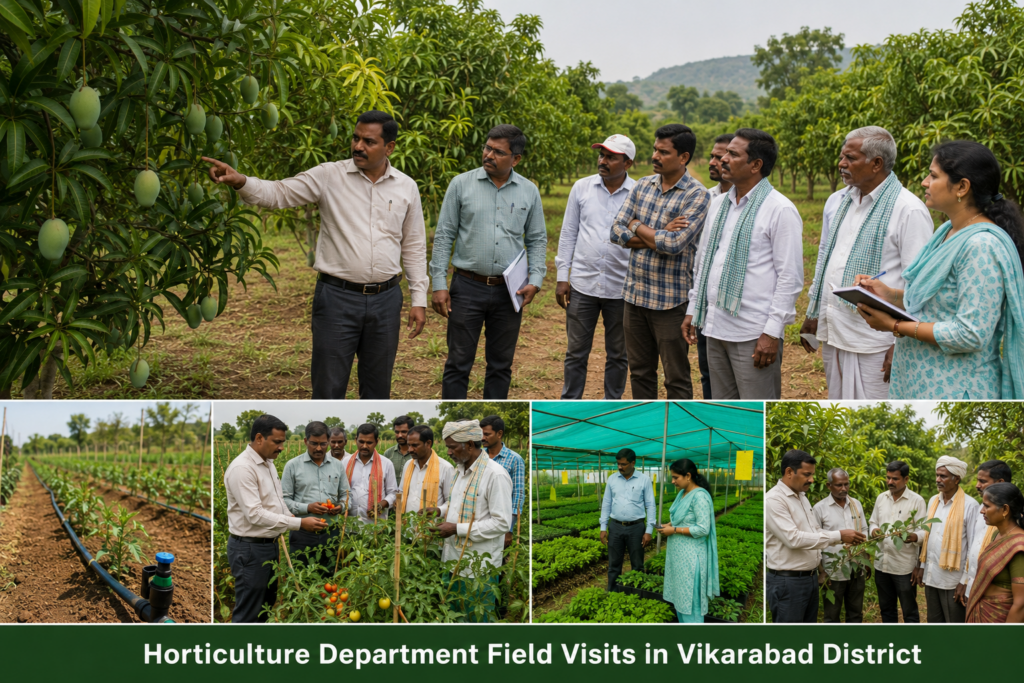
Horticulture Department Field Visits in Vikarabad District The Telangana Department of Horticulture regularly conducts field visits across various mandals of Vikarabad District to monitor crop conditions, guide farmers, and promote modern horticultural practices. These visits are an important part of the department’s efforts to improve fruit, vegetable, flower, and plantation crop cultivation while increasing farmers’ income through scientific farming methods. Purpose of the Field Visits The main objectives of the visits are: Areas Covered in Vikarabad District Field inspections are conducted in several horticulture-growing mandals, including: These areas are known for fruit orchards, vegetable cultivation, and other horticultural activities. Crops Reviewed During Visits Fruit Crops Officials inspect: The condition of flowering, fruit setting, irrigation systems, and disease incidence is carefully examined. Vegetable Crops Common vegetables reviewed include: Officials assess plant growth, pest infestations, and nutrient management practices. Flower Crops In selected villages, inspections cover: The department provides recommendations for improving flower quality and marketability. Activities Conducted During the Visits Crop Monitoring Officials evaluate: This helps identify issues before they significantly affect production. Farmer Interaction Programmes During field visits, officers directly interact with farmers and discuss: Farmers can seek solutions to field-level problems from technical experts. Pest and Disease Surveillance One major focus area is identifying: Officials recommend suitable preventive and control measures to minimize crop losses. Promotion of Modern Cultivation Techniques The department encourages farmers to adopt: Drip Irrigation Mulching Fertigation Protected Cultivation These technologies help farmers improve crop quality and profitability. Government Schemes Reviewed Officials also review the implementation of various horticulture schemes such as: Micro-Irrigation Programme Provides support for: Mission for Integrated Development of Horticulture (MIDH) Supports: Integrated Pest Management (IPM) Promotes: Guidance on Climate-Resilient Horticulture To address changing weather patterns, officials advise farmers on: These practices help reduce risks associated with climate variability. Benefits to Farmers The field visits provide several advantages: Contribution to Vikarabad’s Horticulture Sector Vikarabad district has significant potential for horticulture due to its favorable climate and soil conditions. Regular field visits by the Horticulture Department contribute to: Conclusion The field visits conducted by the Telangana Horticulture Department in Vikarabad district play a vital role in strengthening the horticulture sector. Through crop monitoring, farmer interactions, technology demonstrations, and implementation of government schemes, the department helps farmers adopt modern cultivation methods, improve productivity, and achieve sustainable agricultural growth. These initiatives are contributing significantly to the development of horticulture and the overall prosperity of farmers in the district.
Agriculture News

Promotion of Efficient Irrigation in Vikarabad District

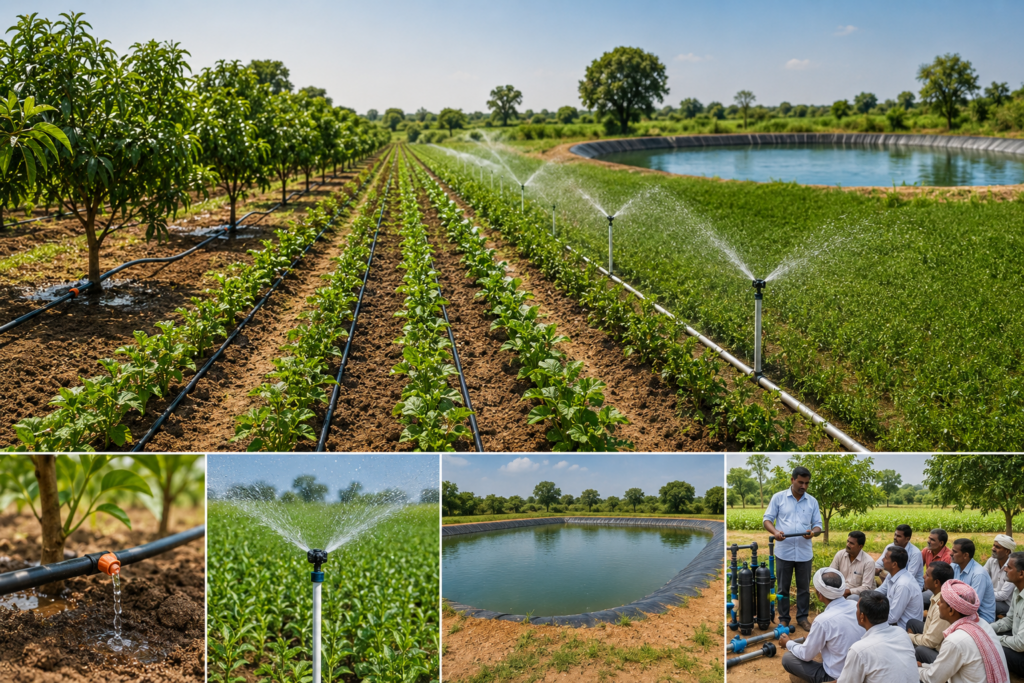
Promotion of Efficient Irrigation in Vikarabad District The Agriculture Department of Vikarabad district is actively promoting efficient irrigation practices through the Pradhan Mantri Krishi Sinchayee Yojana (PMKSY) and other water-management initiatives. The primary objective is to improve water-use efficiency, increase agricultural productivity, and ensure sustainable farming under changing climatic conditions. Introduction to PMKSY Pradhan Mantri Krishi Sinchayee Yojana (PMKSY) is a flagship Government of India programme launched to enhance irrigation coverage and improve water-use efficiency across agricultural lands. The scheme operates under the vision: “Har Khet Ko Pani” (Providing water to every farm) and “More Crop Per Drop” (Producing higher yields with less water) The programme encourages farmers to adopt modern irrigation technologies that reduce water wastage while improving crop productivity. Objectives of the Scheme The major objectives include: Implementation in Vikarabad District Vikarabad district contains a significant area of rainfed agriculture. Farmers often depend on: To address water scarcity challenges, the Agriculture Department promotes modern irrigation systems across various mandals, including: Micro-Irrigation Technologies Promoted Drip Irrigation Drip irrigation delivers water directly to the root zone of plants through pipes and emitters. Benefits: Common crops using drip irrigation: Sprinkler Irrigation Sprinkler systems distribute water through a network of pipes and spray nozzles. Benefits: Common crops: “More Crop Per Drop” Initiative This component of PMKSY focuses on maximizing agricultural output while minimizing water consumption. The programme promotes: Through training programmes, farmers learn how to schedule irrigation based on crop requirements rather than traditional methods. Awareness Programmes The Agriculture Department regularly conducts: Farmer Training Camps Farmers receive information on: Demonstration Plots Model farms are established to demonstrate: Field Visits Agricultural officers visit villages and farms to: Government Subsidies Eligible farmers can receive financial assistance for installing: Subsidy levels vary according to: These subsidies significantly reduce the initial investment burden on farmers. Water Conservation Measures Along with irrigation technologies, the department promotes: Farm Ponds Farm ponds help: Rainwater Harvesting Farmers are encouraged to capture and store rainwater for future agricultural use. Soil Moisture Conservation Practices include: These methods help retain soil moisture and reduce water loss. Benefits to Farmers Farmers adopting efficient irrigation systems have reported: Impact on Sustainable Agriculture Efficient irrigation contributes to: Conclusion The promotion of efficient irrigation under Pradhan Mantri Krishi Sinchayee Yojana (PMKSY) is helping farmers in Vikarabad district use water more effectively and improve agricultural productivity. Through modern irrigation technologies, government subsidies, farmer training programmes, and water conservation initiatives, the district is moving toward sustainable and climate-resilient agriculture under the guiding principle of “More Crop Per Drop.”

Agriculture News

Heavy Rains Cause Crop Damage

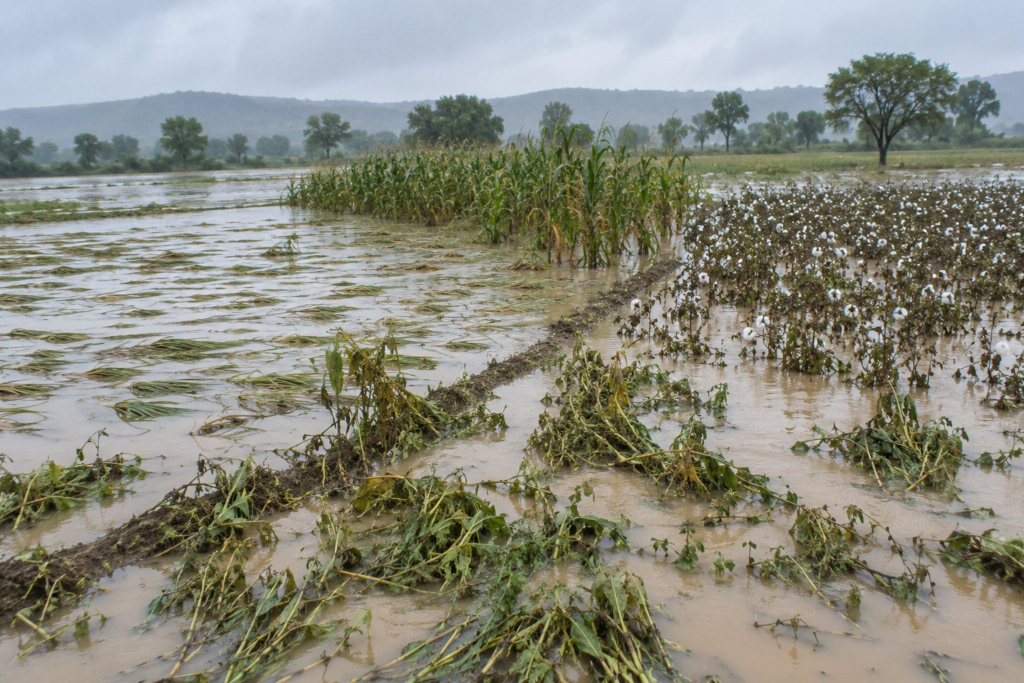
Heavy Rains Cause Crop Damage in Vikarabad District Recent heavy rainfall across several mandals of Vikarabad district has caused considerable damage to agricultural fields, creating concern among farmers during the cultivation season. Low-lying farmlands were inundated with rainwater, affecting standing crops and delaying agricultural operations. Areas Affected Several parts of the district, including: reported heavy rainfall and waterlogging in agricultural fields. Crops Affected The excessive rains impacted various crops cultivated in the district, including: Young seedlings and newly sown crops were particularly vulnerable to the sudden downpour. Nature of Damage Waterlogging Continuous rainfall caused water to accumulate in fields, reducing oxygen availability to plant roots. This can lead to: Seed Washout In newly sown fields, heavy runoff washed away seeds, forcing farmers to undertake re-sowing operations. Soil Erosion Rainwater flowing through sloping agricultural lands removed fertile topsoil, reducing soil quality and nutrient availability. Pest and Disease Risks High moisture conditions increase the likelihood of: Impact on Farmers Financial Losses Farmers incurred losses due to: Delayed Agricultural Activities Many farmers postponed: because fields remained too wet for machinery and labor operations. Response from Agriculture Department Agriculture officials visited affected villages to: Farmers were encouraged to report crop damage through local Agriculture Extension Officers (AEOs). Recommended Measures for Farmers Agricultural experts advised farmers to: Long-Term Concerns Climate experts note that Vikarabad’s farmers are increasingly facing: These conditions highlight the importance of: Conclusion The recent heavy rains in Vikarabad district have affected agricultural activities and caused crop losses in several mandals. While some crops may recover with proper management, farmers continue to seek support through agricultural advisories, government assistance, and weather-resilient farming practices to reduce future risks.

Agriculture News

Farmer Awareness Programs Conducted in Vikarabad

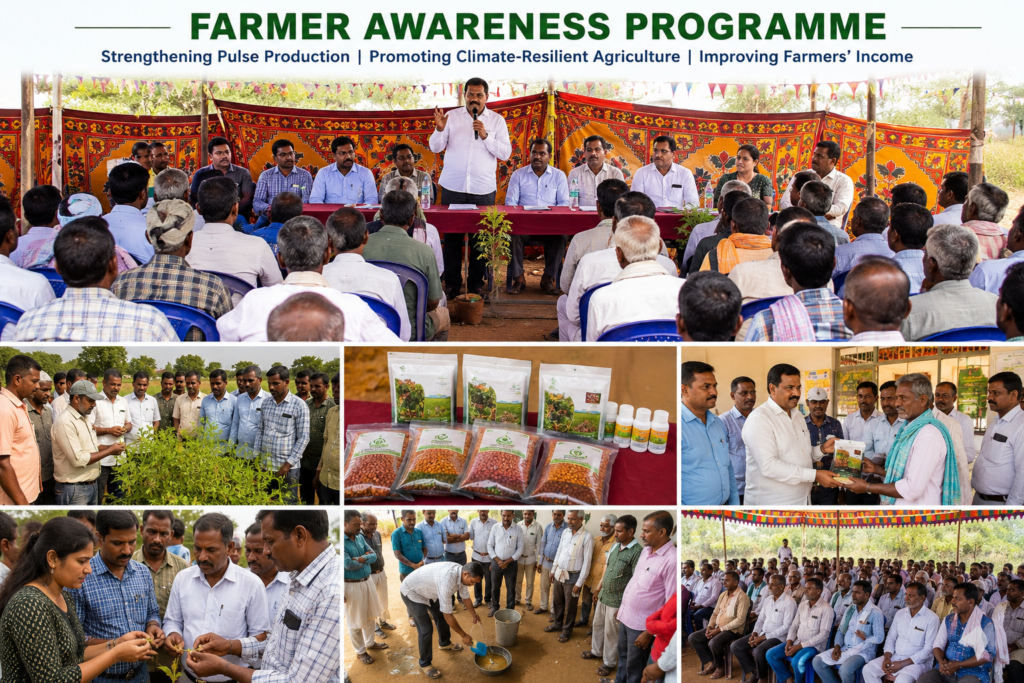
Farmer Awareness Programme at Gingurthy Village, Vikarabad District A major farmer awareness programme was organized by ICAR–Central Research Institute for Dryland Agriculture (ICAR-CRIDA), Hyderabad and Krishi Vigyan Kendra (KVK), Ranga Reddy at Gingurthy Village, Tandur Mandal, Vikarabad District under the Model Pulse Village (MPV) Project. The programme aimed to improve pulse production, promote scientific farming methods, and increase farmers’ income through climate-resilient agricultural practices. Objectives of the Programme The awareness programme focused on: Key Topics Discussed Agricultural experts explained: Participation of Agricultural Officials The programme was attended by: Farmer Interaction Session A special interaction session was conducted where farmers discussed: Scientists provided practical solutions and technical guidance based on local farming conditions. Seed Distribution and Demonstrations As part of related activities under the Model Pulse Village initiative: Farmer Participation The Gingurthy programme witnessed participation from 113 farmers, while associated training and seed-distribution programmes in the area involved several hundred farmers from neighboring villages. Expected Benefits for Vikarabad Farmers The programme is expected to: This initiative is part of ICAR-CRIDA’s broader efforts to make Vikarabad District a model region for sustainable pulse cultivation and climate-resilient agriculture.

About
News
Home
Magazine
Contact